.webp)

🚩GLYCOL COOLING Red Flags
When Should You Service or Replace a Glycol Cooling System?
Key Indicators Your Glycol Cooling System Needs Attention:
-
Frozen or burst piping
-
Low or incorrect glycol concentration
-
Fluctuating process or loop temperatures
-
Leaks, corrosion, or pressure loss
-
System age over 12–15 years
Glycol systems operate in harsh, cold-exposed environments where small issues can quickly lead to freeze damage, equipment failure, and downtime.
ETS provides fast diagnostics, expert repair, and engineered replacement solutions to restore freeze protection and dependable cooling performance.
Frozen or Burst Piping
Indicates inadequate freeze protection, poor glycol concentration, or exposure in unprotected outdoor runs.
Low or Incorrect Glycol Concentration
Reduces freeze protection and heat transfer efficiency, increasing the risk of system damage.
Fluctuating Process or Loop Temperatures
Often caused by pump issues, flow restrictions, or control and sensor problems.
Leaks, Corrosion, or Pressure Loss
Signals fluid degradation, material compatibility problems, or long-term moisture exposure.
System Age Over 12–15 Years
Older glycol systems face higher failure risk, declining efficiency, and harder-to-source components.
What Is a Glycol Cooling System?
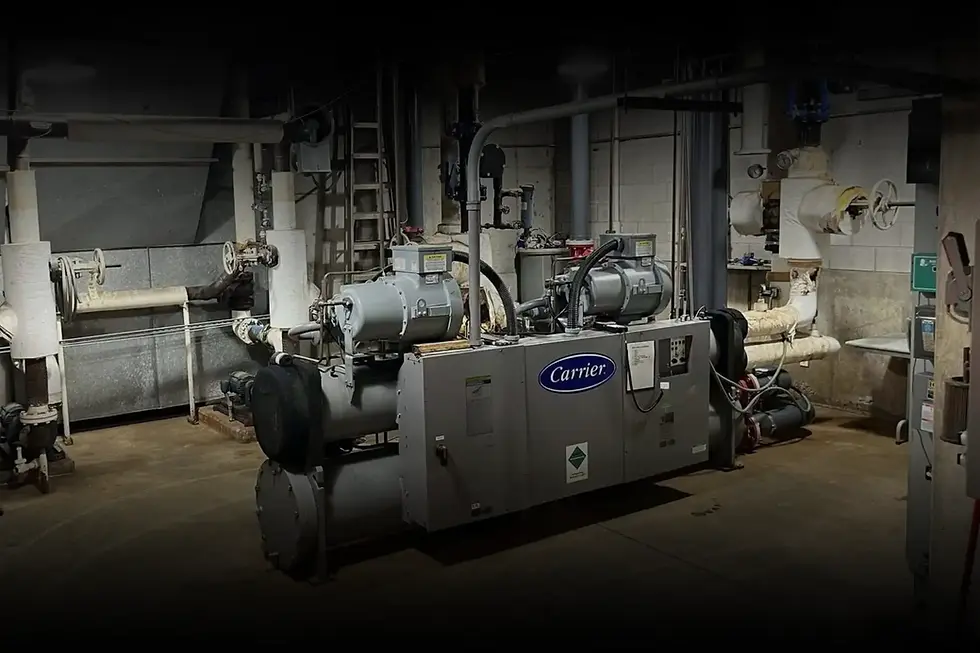
A glycol cooling system is a specialized solution that uses a water-glycol mixture to provide freeze-protected heat transfer in low-temperature, outdoor, or cold-environment applications. Glycol prevents fluid from freezing inside piping, coils, and heat exchangers, making it essential for systems exposed to cold weather or sub-freezing process temperatures.
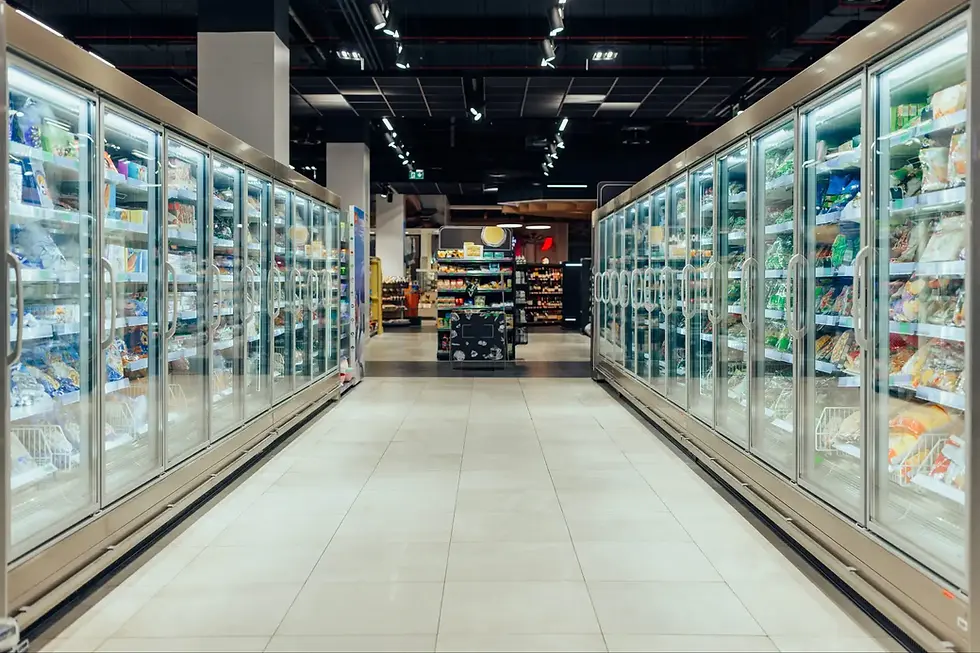
Glycol cooling is commonly used in outdoor process loops, walk-in refrigeration support, food and beverage production, breweries, pharmaceuticals, data centers, and industrial manufacturing, where temperature stability must be maintained year-round—even during Ohio’s harsh winters. These systems circulate glycol between chillers, heat exchangers, pumps, and remote loads to safely absorb and reject heat without freeze risk.
Engineered Temperature Solutions designs, installs, and services commercial and industrial glycol cooling systems across Ohio, ensuring proper concentration, material compatibility, flow rates, and long-term reliability.

FREEZE-PROTECTED COOLING
Prevents frozen lines, coil damage, and winter system failures in cold environments.
LOW-TEMPERATURE STABILITY
Delivers consistent cooling performance at sub-freezing and process-critical temperatures.
OUTDOOR-READY DESIGN
Engineered for rooftop, exterior, and exposed piping applications.
EQUIPMENT & PROCESS SAFEGUARDING
Protects refrigeration equipment, production lines, and mission-critical cooling loads.
All Your Cooling Needs.
One Reliable Team.


Our Services
ETS delivers complete glycol cooling design, installation, and service across Ohio—keeping your system freeze-protected and reliable year-round.




ETS HVAC Insights
Go inside our commercial HVAC projects and discover how ETS helps Central Ohio businesses upgrade systems, solve problems, and improve building performance year-round.


Frequently Asked Questions
A glycol cooling system uses a water–glycol mixture to transfer heat while preventing freezing in low-temperature or outdoor environments. It is commonly used where freeze protection is critical to system reliability.
Glycol lowers the freezing point of the fluid, preventing pipes, coils, and heat exchangers from freezing and bursting in cold conditions while still allowing effective heat transfer.
Glycol cooling systems are commonly used in manufacturing plants, breweries, food and beverage production, data centers, cold storage facilities, laboratories, medical buildings, and outdoor process applications.
The system circulates a glycol-based fluid through equipment or heat exchangers to absorb heat, then removes that heat through a chiller, cooling tower, or dry cooler before recirculating the cooled fluid.
Glycol systems can be engineered for temperatures well below freezing and up through standard process cooling ranges, depending on glycol concentration, equipment selection, and system design.
Key benefits include:
-
Freeze protection in cold environments
-
Reliable outdoor and low-temperature operation
-
Protection of piping and equipment
-
Stable heat transfer performance
Industries that benefit most include food and beverage, pharmaceuticals, plastics, chemical processing, cold storage, data centers, medical manufacturing, and outdoor industrial processes.
If your system operates outdoors, in cold environments, or at temperatures near or below freezing, glycol is typically required to protect piping and equipment from freeze damage.
Common glycol concentrations range from 20% to 50%, depending on the required freeze protection level, operating temperature, and local climate conditions.
Warning signs include:
-
Frozen or burst piping
-
Low or incorrect glycol concentration
-
Temperature instability
-
Leaks, corrosion, or pressure loss
-
Rising energy consumption
Most glycol systems should be inspected at least twice per year. Routine service includes checking glycol concentration, fluid condition, pumps, valves, heat exchangers, controls, and freeze protection performance.
Yes. Many water-based systems can be converted to glycol cooling, but material compatibility, seals, pump sizing, and heat transfer performance must be carefully evaluated before conversion.
Glycol slightly reduces heat transfer efficiency compared to water, but proper system design, correct concentration, and optimized flow rates minimize performance loss while providing critical freeze protection.
Yes. Engineered Temperature Solutions designs, installs, services, and maintains commercial and industrial glycol cooling systems across Central Ohio, ensuring proper concentration, material compatibility, and long-term reliability.
ETS combines engineering-driven system design with expert installation, preventive maintenance, and responsive repair to keep glycol cooling systems freeze-protected, efficient, and dependable year-round.
Need Glycol Cooling services in Central Ohio? Request a quote or call (614) 289-8733 to get started.
Frequently asked questions
Redefine your
buildings HVAC
