.webp)

What is Backflow?
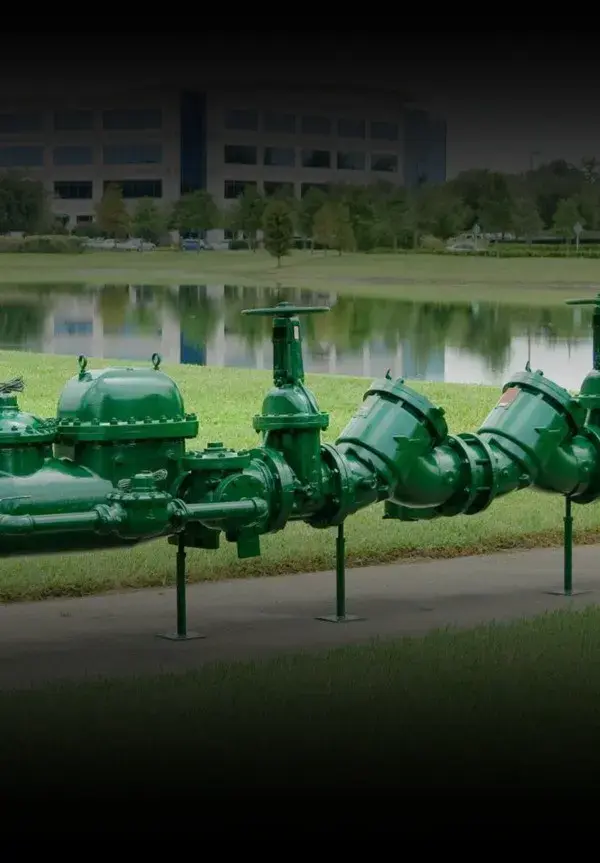
Backflow occurs when water reverses direction within a plumbing system, allowing contaminants, chemicals, or bacteria to enter a clean water supply. This typically happens when pressure changes caused by equipment operation, water main breaks, fire protection activation, irrigation systems, or sudden demand shifts disrupt normal flow.
In commercial environments, backflow risks are elevated because water systems often connect to boilers, cooling towers, process equipment, chemical feed systems, and specialized plumbing applications. These cross-connections create multiple opportunities for contamination if systems are not properly protected and maintained.
Without effective protection, contaminants can enter potable water lines, creating health risks and regulatory exposure. To maintain safety and compliance, facilities must install approved backflow prevention assemblies and perform routine testing to verify proper operation and meet local code requirements.

WATER SUPPLY PROTECTION
Backflow assemblies protect drinking water from cross-connections that can introduce chemicals, bacteria, or process fluids into the supply.
CODE COMPLIANCE
Routine testing, documentation, and certified inspections help facilities meet health department and municipal requirements.
SYSTEM RELIABILITY
Proper installation and maintenance reduce nuisance shutdowns, pressure issues, and unexpected failures.
CERTIFIED TESTING
Annual testing confirms backflow assemblies operate correctly and provides documentation for regulatory agencies.

Our Services
ETS delivers complete backflow prevention and testing services to protect water quality, maintain compliance, and support safe facility operations.
🚩BACKFLOW Red Flags
When Should You Service or Replace a Backflow Device?
Key Indicators Your Backflow System Needs Attention:
-
Failed or overdue backflow test results
-
Visible leaks, corrosion, or valve damage
-
Low water pressure or flow restrictions
-
Missing or outdated certification documentation
-
Aging or obsolete backflow assemblies
Backflow issues often appear as failed inspections, pressure complaints, or visible wear long before full system failure occurs.
Failed or Overdue Testing
Missed or failed tests can place a facility out of compliance and increase contamination risk.
Leaks, Corrosion, or Damage
Physical deterioration compromises sealing and device performance.
Restricted Flow or Pressure Loss
Internal valve wear or debris buildup can limit system flow.
Missing Documentation
Incomplete records can delay inspections and create compliance issues.
Aging or Obsolete Equipment
Older assemblies may no longer meet current code or reliability standards.

Every HVAC Need.
One Reliable Team.






ETS HVAC Insights
Go inside our commercial HVAC projects and discover how ETS helps Central Ohio businesses upgrade systems, solve problems, and improve building performance year-round.


Frequently Asked Questions
Backflow occurs when water reverses direction in a plumbing system, allowing contaminants to enter the potable water supply, creating health and safety risks.
A backflow preventer is a mechanical device that stops contaminated water from flowing backward into clean water lines.
Commercial buildings often connect water systems to equipment, chemicals, or process piping, increasing contamination risk and requiring code-mandated protection.
Most jurisdictions require certified backflow testing annually, though some systems may require more frequent testing based on risk classification.
Backflow testing must be performed by a certified tester approved by the local municipality or water authority.
A failed test typically requires repair or replacement of internal components followed by re-testing and submission of updated certification documentation.
Common assemblies include Reduced Pressure Zone (RPZ), Double Check Valve Assembly (DCVA), and Pressure Vacuum Breaker (PVB) devices.
Backflow devices are commonly installed at building water service entrances, fire protection connections, irrigation systems, and high-risk process piping connections.
Some pressure drop is normal, but excessive pressure loss may indicate internal wear, debris buildup, or improper sizing.
Backflow can occur due to backpressure from connected equipment or backsiphonage caused by water main breaks, pump operation, or sudden demand changes.
Facilities typically must maintain current test reports, certification records, and inspection documentation for regulatory review.
Service life depends on water quality, operating conditions, maintenance frequency, and environmental exposure.
Yes. Systems can be upgraded to meet new code requirements or relocated to improve access, freeze protection, or serviceability.
Healthcare, manufacturing, food service, education, multi-tenant properties, and municipal facilities frequently require backflow protection.
Yes. Engineered Temperature Solutions provides certified commercial backflow testing, repairs, installation, and compliance support throughout Central Ohio.
Need backflow service in Central Ohio? Request a quote or call (614) 289-8733 to get started.
Frequently asked questions
Redefine your
buildings HVAC
