.webp)

What Is a Commercial Cold Storage System?
A commercial cold storage system is a walk-in cooler, walk-in freezer, or similar temperature-controlled space designed to maintain consistent conditions for stored products. It includes the insulated enclosure along with all refrigeration components required to regulate temperature and remove heat.
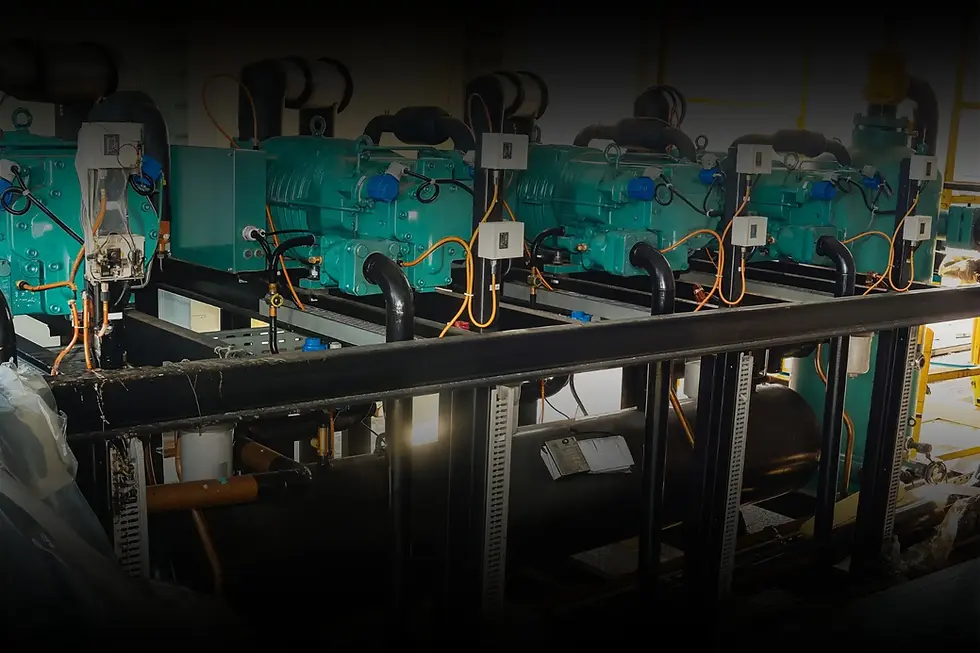
These systems are built using insulated panels, doors, evaporators, condensers, compressors, and controls that work together to create a stable internal environment. Each component plays a role in maintaining the conditions needed to preserve product quality and meet operational requirements.
As complete, integrated environments, cold storage systems require proper design, installation, and maintenance to ensure consistent performance, prevent product loss, and support reliable day-to-day operation.
.webp)
PRECISION TEMPERATURE CONTROL
Commercial cold storage systems maintain tight temperature tolerances to protect product quality in walk-in coolers, freezers, and blast freezing applications.
RELIABLE COLD STORAGE OPERATION
Engineered systems are built for continuous operation, minimizing downtime and temperature fluctuations in demanding environments.
APPLICATION-SPECIFIC DESIGN
Refrigeration systems are designed around specific storage needs, whether standard refrigeration, deep freezing, or rapid blast freezing.
SYSTEM-LEVEL INTEGRATION
Cold storage refrigeration integrates with condensers, compressors, controls, and piping to deliver stable, efficient performance across the entire system.

Our Services
Engineered refrigeration services built for reliable cold storage performance.
🚩COLD STORAGE Red Flags
When Should You Service or Repair a Cold Storage System?
Cold Storage Warning Signs:
-
Temperature fluctuations in coolers or freezers
-
Ice buildup or excessive frost
-
Products thawing, sweating, or refreezing
-
Unusual noise or vibration from equipment
-
Rising energy usage or frequent alarms
Commercial refrigeration issues often show up as temperature instability or product quality concerns long before a system fully fails.
Inconsistent Temperatures
Temperature swings often indicate control issues, refrigerant problems, or failing components within the system.
Excessive Ice or Frost
Ice buildup typically points to airflow restrictions, defrost issues, or moisture infiltration.
Product Quality Issues
Thawing, sweating, or refreezing can signal poor temperature control or uneven refrigeration performance.
Equipment Noise or Vibration
Unusual sounds or vibration often result from mechanical wear, imbalance, or compressor-related issues.
Increased Energy or Alerts
Rising energy use or frequent alarms may signal declining efficiency or component issues.

Every Refrigeration Need.
One Reliable Team.



.webp)




ETS HVAC Insights
Go inside our commercial HVAC projects and discover how ETS helps Central Ohio businesses upgrade systems, solve problems, and improve building performance year-round.


Frequently Asked Questions
A commercial cold storage system is a walk-in cooler, walk-in freezer, or similar temperature-controlled space designed to maintain stable conditions for stored products. It includes the insulated enclosure along with refrigeration components like compressors, condensers, evaporators, and controls that work together to regulate temperature.
Walk-in coolers maintain temperatures above freezing, typically between 35°F and 41°F, while walk-in freezers operate below 0°F to preserve frozen goods. The system components, insulation levels, and operating demands differ based on the required temperature range.
Most walk-in coolers should be set between 35°F and 38°F to keep perishable products fresh while preventing freezing. Specific setpoints may vary depending on the type of inventory being stored.
Walk-in freezers are typically set at 0°F or lower to maintain product quality and meet food safety requirements. Some applications, like deep freezing or long-term storage, may require even lower temperatures.
With proper maintenance, most walk-in cooler and freezer systems last 15–25 years. Lifespan depends on usage, system design, environmental conditions, and how well the refrigeration components are maintained.
Temperature fluctuations can result from dirty coils, failing compressors, refrigerant issues, door seal leaks, or improper system sizing. Frequent temperature swings can lead to product loss and should be addressed quickly.
A cold storage system includes:
-
Insulated panels and doors
-
Evaporator (indoor unit)
-
Condenser (outdoor unit)
-
Compressor
-
Refrigerant piping
-
Controls and sensors
All components must work together to maintain stable internal conditions.
Cold storage systems should be professionally serviced at least 2–4 times per year. Routine maintenance helps prevent breakdowns, improve efficiency, and extend equipment life.
Common warning signs include:
-
Inconsistent temperatures
-
Ice buildup on coils
-
Unusual noises
-
Increased energy bills
-
Water leaks or condensation
These issues often indicate underlying refrigeration or airflow problems.
Efficiency can be improved by:
-
Keeping coils clean
-
Maintaining proper refrigerant levels
-
Ensuring tight door seals
-
Upgrading controls or sensors
-
Scheduling regular maintenance
Proper system design also plays a major role in long-term efficiency.
Cold storage systems are used across many industries, including:
-
Restaurants and food service
-
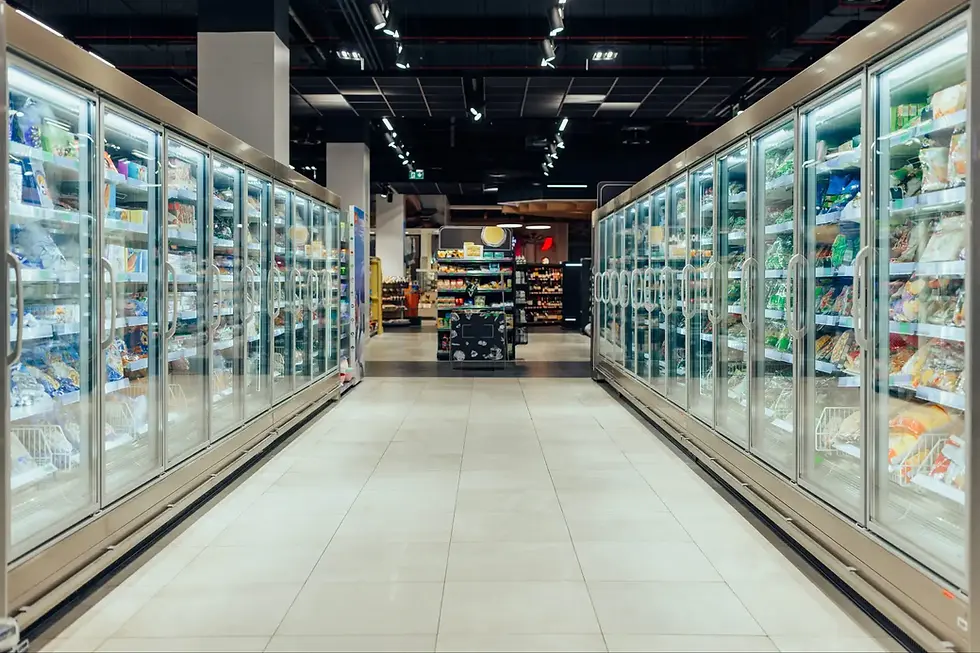
Grocery stores and supermarkets
-
Warehousing and distribution
-
Healthcare and laboratories
-
Manufacturing and food processing
Yes. Walk-in coolers and freezers can be designed to match your building layout, storage needs, and temperature requirements. Custom sizing, panel configurations, and refrigeration setups ensure optimal performance.
Ice buildup is often caused by excess moisture entering the space, poor door seals, defrost system issues, or airflow problems. If left unaddressed, it can reduce efficiency and damage system components.
Yes. Engineered Temperature Solutions provides design, installation, maintenance, and repair for walk-in coolers and freezers throughout Columbus and Central Ohio, supporting a wide range of commercial and industrial facilities.
Proper installation ensures the system is correctly sized, balanced, and integrated. Poor installation can lead to uneven temperatures, higher energy costs, and premature equipment failure.
Need refrigeration services in Central Ohio? Request a quote or call (614) 289-8733 to get started.
Frequently asked questions
Redefine your
buildings HVAC
