.webp)

What is a Commercial Furnace?
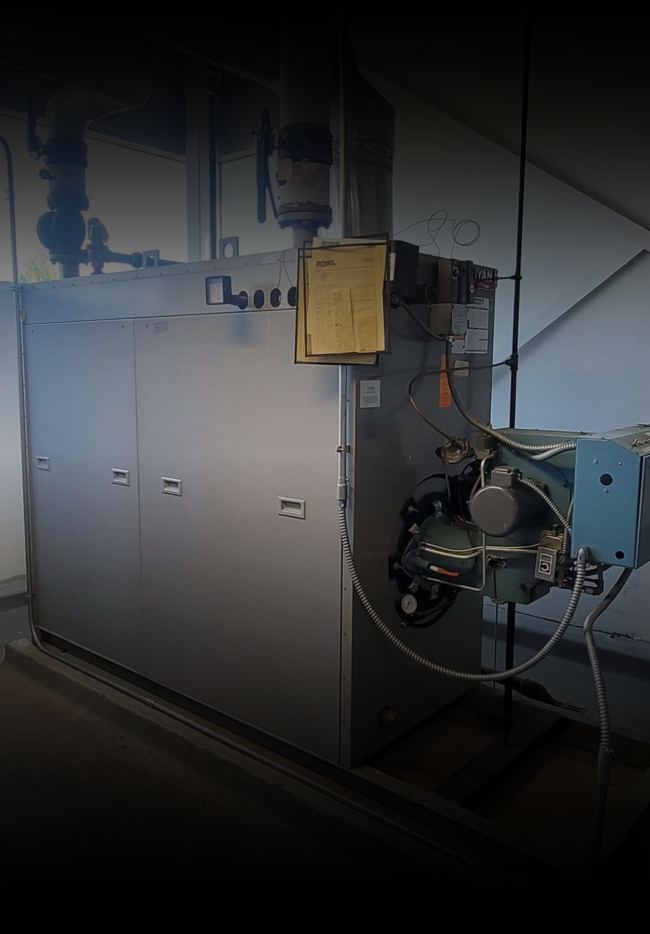
A commercial furnace is a high-capacity heating system designed to deliver strong, consistent heat for large buildings such as offices, warehouses, retail spaces, schools, and industrial facilities. Unlike residential units, commercial furnaces use larger blowers, heavier-duty heat exchangers, and advanced controls to handle bigger heating loads and longer run times.
Commercial furnaces typically burn natural gas or propane, though electric models are also used in certain applications. Heat is generated in the combustion chamber, transferred through the heat exchanger, and distributed through ductwork to maintain stable indoor temperatures even during peak winter conditions.
These systems are built for reliability, efficiency, and safety—often featuring variable-speed motors, staged heating, integrated safeties, and compatibility with building automation platforms. With proper installation and maintenance, a commercial furnace provides dependable performance, improved comfort, and long-term value for high-demand facilities.

Heavy-Duty Heat Output
Commercial furnaces deliver strong, consistent heating built to handle large spaces and tough winter demands.
Safe, Code-Compliant Operation
Integrated safeties and proper venting ensure every system runs reliably and meets commercial building standards.
Efficient Air Distribution
High-capacity blowers and smart controls keep heat balanced throughout offices, warehouses, and industrial spaces.
Easy Service Access
Front-panel access simplifies diagnostics, repairs, and seasonal maintenance to minimize downtime.

Our Services
ETS keeps your building heated safely, efficiently, and dependably with full-service furnace solutions tailored to commercial and industrial facilities.
🚩FURNACE RED FLAGS
When Should You Repair or Replace a Commercial Furnace?
Key indicators your furnace needs attention:
-
Uneven or insufficient heat
-
Rising energy bills
-
Strange noises or odors
-
Frequent breakdowns
-
Age over 15–20 years
Commercial furnaces run hard through Ohio’s toughest winters, and small issues can quickly escalate into major failures. If your commercial or industrial furnace is struggling, ETS delivers fast diagnostics, dependable repairs, and full replacement options engineered for safe, efficient, long-lasting performance.
Rising Energy Bills
A furnace losing efficiency burns more fuel to produce the same heat, increasing operating costs season after season.
Uneven or Insufficient Heat
Declining heat output often signals burner problems, airflow restrictions, or a failing heat exchanger.
Strange Noises or Odors
Banging, scraping, or metallic smells may indicate blower issues, ignition faults, or unsafe combustion conditions.
Frequent Breakdowns
Recurring service calls are a sign of aging components and equipment nearing the end of its useful life.
Age Over 15–20 Years
Most commercial furnaces reach end-of-life after two decades of heavy use and may no longer meet safety or efficiency standards.

All Your Heating Needs.
One Reliable Team.







ETS HVAC Insights
The ETS Commercial HVAC Insights blog delivers expert tips, updates, and solutions tailored to Central Ohio. Learn how to get more from your HVAC systems all year long.


Frequently Asked Questions
A commercial or industrial furnace is a larger-capacity heating unit designed for big spaces such as warehouses, offices, plants, and commercial buildings—not single-family homes.
Unlike residential furnaces, commercial units:
-
Are built to run longer hours and handle higher heating loads
-
Tie into larger duct networks, makeup-air systems, or rooftop units
-
Use staged or modulating burners, building automation, and advanced controls
-
Must meet stricter safety, ventilation, and building code requirements
Most commercial furnaces should be serviced once per year, and twice per year in heavy-use or mission-critical facilities. Fall and spring maintenance helps catch wear early, ensure safe combustion, and maintain efficiency. Facilities that run 24/7—such as healthcare, production, and data centers—often require quarterly maintenance.
A furnace may need repair if you notice changes in comfort or performance.
Common warning signs include:
-
Uneven temperatures or insufficient heating
-
Rising utility bills
-
Rattling, booming, or grinding noises
-
Short-cycling
-
Burnt or unusual odors
-
Frequent lockouts, error codes, or resets
Early attention and service helps prevent major failures.
Most commercial furnaces last 15–25 years with proper installation and routine maintenance.
Shorter life spans occur when:
-
The unit is improperly sized
-
Filters and burners are neglected
-
The system runs in dirty, corrosive, or poorly ventilated spaces
If your furnace is in the 15–20 year range and repairs are increasing, replacement planning is recommended.
A properly sized furnace should maintain temperature without running nonstop or short-cycling.
Correct sizing depends on:
-
Heat-loss calculations
-
Building type and occupancy
-
Ventilation and makeup-air needs
-
Ductwork design and zoning strategy
If the furnace struggles during mild weather or cycles rapidly, a design review may be needed.
Yes. Gas-fired commercial furnaces remain a strong option where natural gas is cost-effective and forced-air systems already exist. They provide fast warm-up and high supply-air temperatures. Heat pumps, boilers, or hybrid systems may be better depending on energy costs, load profiles, and sustainability goals.
You can often improve commercial furnace efficiency without replacing the entire unit.
Common upgrades include:
-
Routine maintenance: cleaning burners, heat exchangers, and verifying combustion
-
High-efficiency filters chosen for both air quality and static pressure
-
Variable-speed fans or VFDs on supply and return fans
-
Better controls and scheduling through a building automation system
-
Duct and envelope improvements to reduce heat loss and leakage
A commercial energy audit or tune-up can identify which upgrades deliver the best payback.
A standard commercial furnace maintenance visit includes:
-
Inspecting burners, heat exchangers, and venting
-
Cleaning combustion components
-
Checking belts, motors, and fans
-
Measuring temperature rise and gas pressure
-
Verifying filter condition
-
Testing controls, safeties, and BAS connections
You’ll receive a brief report outlining any recommended repairs.
Most single-unit replacements take 1–2 days, depending on access, crane requirements, and utility tie-ins. Larger or multi-unit projects may require off-hour work, temporary heat, or coordination with inspectors. A well-planned replacement minimizes operational disruption.
Engineered Temperature Solutions services most commercial warm-air heating systems in Central Ohio, including gas furnaces, gas-heat sections on rooftop units, unit heaters, makeup-air units, and packaged HVAC systems. ETS also supports equipment connected to building automation platforms for coordinated operation.
Yes. ETS provides fast emergency furnace service for Columbus, Pataskala, and nearby areas. Our technicians prioritize no-heat and safety calls, diagnose most equipment in one visit, stabilize urgent issues when needed, and provide clear recommendations for repair or replacement.
Need commercial Furnace service in Central Ohio? Request a quote or call (614) 289-8733 to get started.
Frequently asked questions
Redefine your
buildings HVAC
