.webp)

What is a Commercial Boiler?
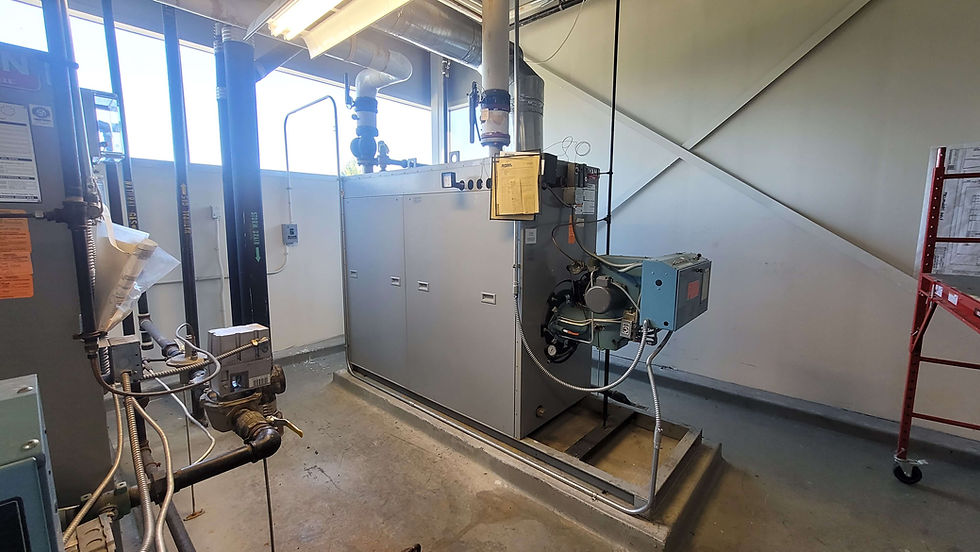
A commercial boiler is a high-output heating system built to provide reliable warmth for large buildings and industrial facilities. It uses gas, propane, oil, or electricity to heat water or produce steam, which is then circulated through pipes, radiators, or air handlers to maintain consistent indoor temperatures.
Commercial boilers are designed for efficiency, longevity, and precise temperature control — making them ideal for offices, schools, hospitals, and manufacturing spaces. Their robust construction allows continuous operation under demanding conditions while minimizing energy waste. Modern systems can be upgraded with features like condensing technology, modulating burners, and smart controls for better efficiency and remote monitoring.
Whether replacing aging equipment or maintaining an existing system, commercial boilers deliver dependable, energy-efficient performance year after year. For large-scale cooling systems, see our commercial chiller services →
%20(2).jpg)
High-Capacity Heating
Commercial boilers deliver powerful, consistent heat for large facilities — from office complexes to industrial plants — keeping operations comfortable even in Ohio’s coldest months.
Built for Longevity
Constructed with heavy-duty components and advanced safety controls, boiler systems are engineered for years of dependable, low-maintenance performance under demanding conditions.
Precise Temperature Control
Boilers integrate with building automation and hydronic systems to maintain exact temperature and pressure settings — ensuring comfort, efficiency, and stability across every zone.
Energy Efficiency Upgrades
Modern condensing designs, modulating burners, and smart controls help reduce fuel use, lower emissions, and maximize return on your heating investment.

BOILER INSTALLATION & REPLACEMENT
We handle every stage of your boiler project with precision and minimal disruption.
-
Professional sizing and load evaluation for your facility
-
Gas, electric, or hydronic boiler system installation
-
Integration with pumps, valves, and control systems
-
Startup testing and safety certification
-
Replacement solutions for aging or underperforming units
BOILER REPAIR & MAINTENANCE
When uptime matters, our technicians keep your heat running strong and efficient.
-
Diagnostic testing for burners, sensors, and controls
-
Combustion tuning and efficiency optimization
-
Gasket, valve, and seal replacements
-
Water treatment checks and system flushing
-
Preventive maintenance to prevent downtime.
Our Services
ETS helps businesses maintain reliable, efficient heat with boiler systems built for demanding environments.
BOILER CONTROLS & AUTOMATION
Smart control means smarter heat — and lower operating costs.
-
Integration with Prolon, BACnet, or Modbus systems
-
Remote monitoring and real-time fault alerts
-
Modulating burner control and lead/lag sequencing
-
Building automation tie-ins for multi-zone facilities
-
Data tracking for efficiency and runtime trends
BOILER RETROFITS & UPGRADES
Modernize your existing system for better efficiency and reliability.
-
Conversion to high-efficiency condensing boilers
-
Variable-speed pump and burner upgrades
-
Re-piping and insulation improvements
-
Integration with new control or monitoring platforms
-
Custom retrofit planning for complex mechanical rooms
🚩BOILER RED FLAGS
When should you replace a commercial boiler?
You should consider replacing a boiler when it shows signs of:
-
Rising energy costs
-
Inconsistent or insufficient heat
-
Unusual noises or pressure fluctuations
-
Frequent service calls or component failures
-
Age over 15–25 years
Even if your boiler still runs, aging systems often operate below optimal efficiency and can become costly to maintain. Replacing outdated equipment with a modern, high-efficiency model can improve reliability, lower fuel consumption, and provide smarter control over your building’s heating performance.
Rising Energy Costs
Older boilers lose combustion efficiency, leading to higher fuel bills.
Inconsistent Heat
Uneven temperatures or cold zones can indicate failing burners or circulation issues.
Unusual Noises
Banging, whistling, or rumbling often point to scale buildup or pressure imbalances.
Frequent Breakdowns
Recurring leaks, lockouts, or sensor failures signal it’s time for replacement.
Age Over 15–25 Years
Most commercial boilers reach end-of-life after two decades of continuous operation.

Every Heating System.
One Trusted Partner.
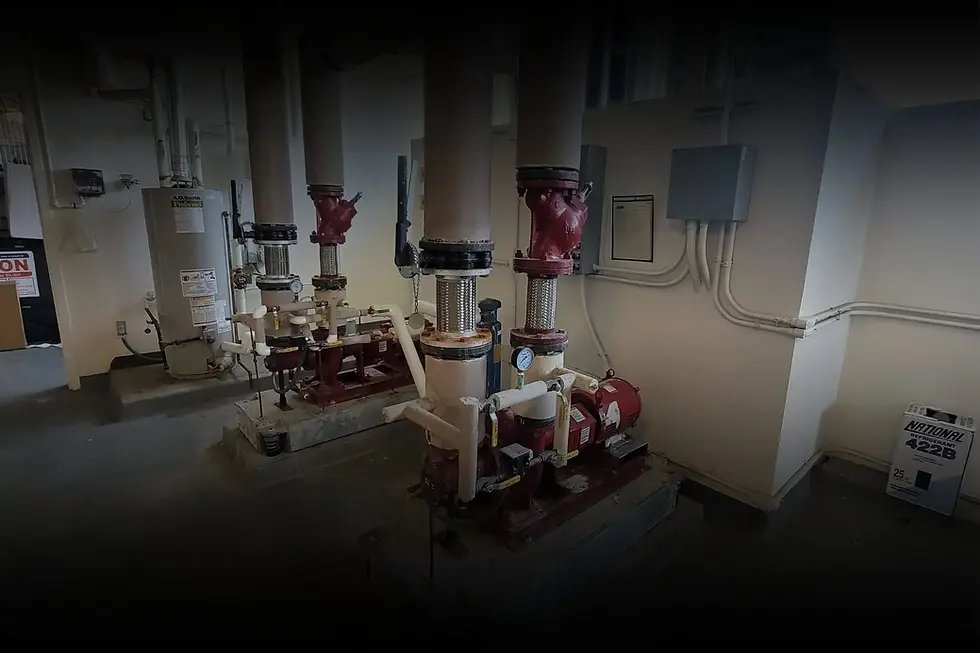
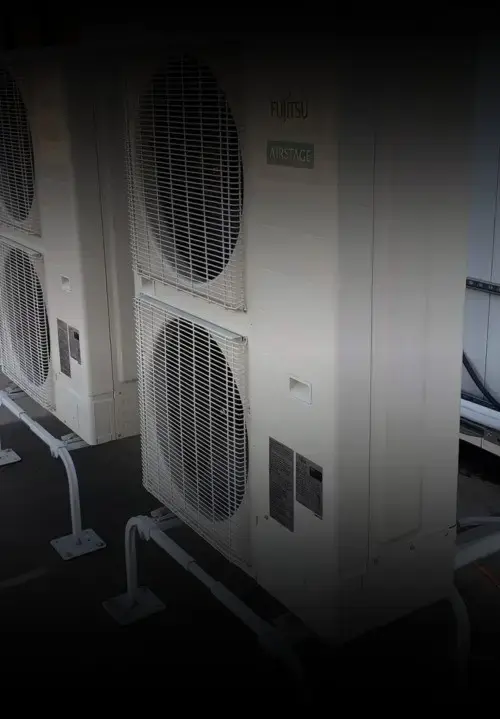

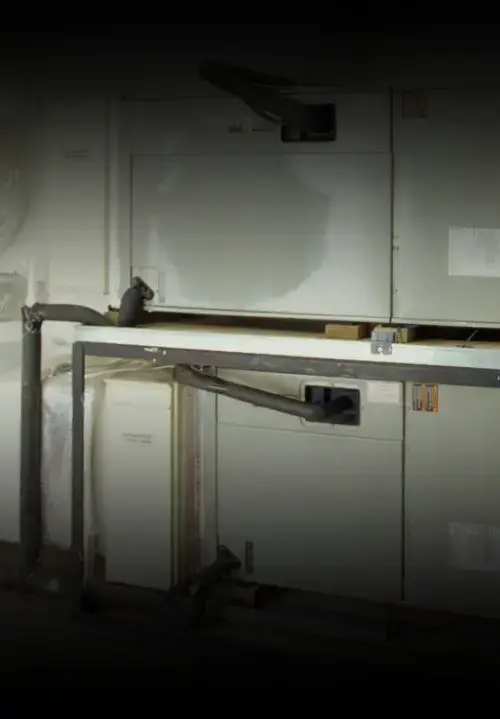






Central Ohio Boiler Experts
From Columbus to Pataskala, Gahanna to Worthington, and up through New Albany, Johnstown, and Lewis Center—ETS keeps local businesses warm and worry-free. We repair, maintain, and upgrade commercial boiler systems that keep your heat consistent, your energy use low, and your operations running smoothly.
ETS HVAC Insights
The ETS Commercial HVAC Insights blog delivers expert tips, updates, and solutions tailored to Central Ohio. Learn how to get more from your HVAC systems all year long.


Frequently Asked Questions
An industrial boiler is a high-capacity, high-pressure system designed for:
-
Process heating
-
Steam generation
-
Manufacturing applications
-
Heavy-duty hydronic heating
Key differences include:
-
Larger output capacities (often over 1M BTUs/hr)
-
Higher operating pressures (100+ psi vs. 15–60 psi)
-
Continuous process demand vs. on/off HVAC cycling
-
Specialized control systems like PLCs and SCADA
-
Heavier-duty construction and regulatory standards
-
Food & beverage processing
-
Chemical manufacturing
-
Paper and pulp production
-
Industrial laundry and sterilization
-
Steel fabrication and machining
Industrial boilers must meet:
-
ASME Section I or IV pressure vessel codes
-
EPA emissions requirements (MACT, GACT)
-
Annual and quarterly state inspections
-
Safety system redundancy checks
Yes, we offer:
-
Turnkey industrial boiler installations
-
Combustion tuning and flue gas analysis
-
High-pressure piping and venting
-
PLC-based control integration
-
Maintenance programs and emergency response
We recommend:
-
Daily operator checks for pressure, temp, and flame quality
-
Monthly water quality testing
-
Quarterly safety shutdown tests
-
Annual full inspection and burner calibration
ETS offers customizable maintenance plans for all industrial clients.
A commercial boiler heats water and distributes it to provide warmth throughout a building.
Here's a simplified step-by-step overview:
-
Fuel Source Ignition – Natural gas, propane, or oil is ignited in the combustion chamber.
-
Heat Exchanger Activation – The heat from combustion is transferred to water via a heat exchanger.
-
Water Heating – Water is heated to a set temperature without reaching boiling (for hot water boilers) or to create steam (for steam boilers).
-
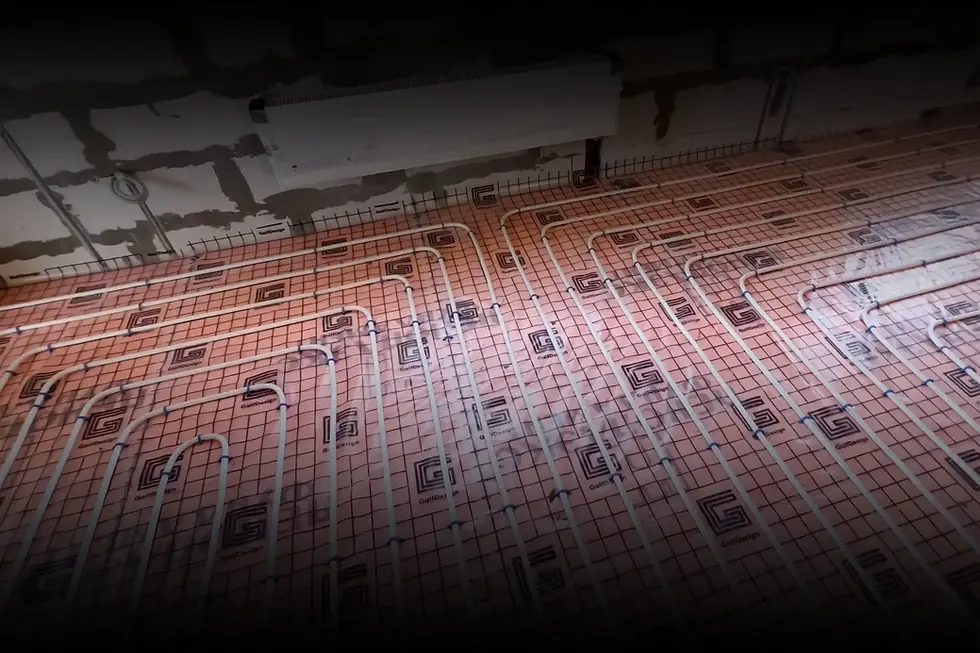
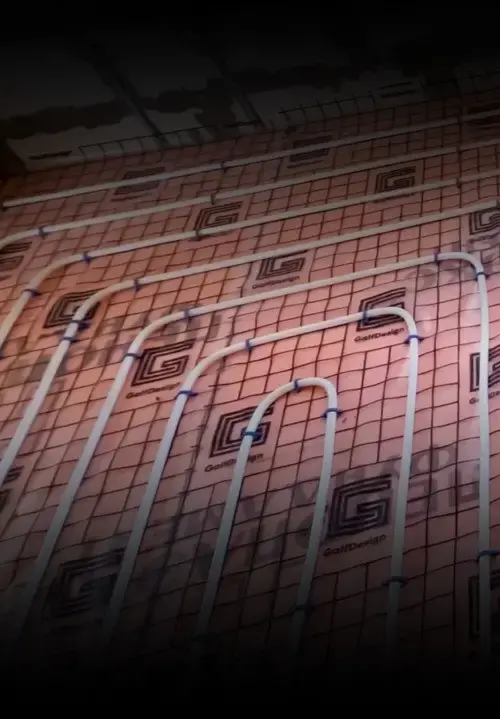
Circulation – Heated water or steam is pumped through pipes to radiators, air handlers, or underfloor systems.
-
Return Cycle – Once the heat is delivered, the cooler water returns to the boiler to be reheated.
-
Control Systems – Thermostats and control panels manage temperature, safety limits, and efficiency.
This closed-loop system ensures consistent heating with minimal energy waste when properly maintained.
Watch for these warning signs that indicate it might be time to replace your commercial boiler:
-
Frequent Repairs – If your boiler requires constant service calls, replacement is often more cost-effective long-term.
-
Rising Energy Bills – Older or inefficient boilers lose performance and drive up operating costs.
-
Uneven Heating – Cold spots or slow warm-ups could signal declining system output or failing components.
-
Strange Noises – Banging, rumbling, or whistling sounds may indicate internal scaling, pressure issues, or pump failure.
-
Water Leaks or Corrosion – Visible rust, leaks, or puddles around the boiler base can signal tank or seal failure.
-
Outdated Controls – Older boilers without digital or programmable controls limit efficiency and automation capabilities.
-
Age Over 15–25 Years – Most commercial boilers have a 15–25 year lifespan depending on usage and maintenance history.
-
Failed Efficiency Tests – Poor combustion analysis results or high flue gas temps suggest wasted energy and performance decline.
-
No Longer Code Compliant – Safety or emissions violations can require full replacement to meet current standards.
If you're seeing two or more of these issues, it may be time for an engineered upgrade tailored to your facility’s heating demands.
Sizing a commercial boiler correctly is critical for efficiency, comfort, and long-term reliability. At Engineered Temperature Solutions, we use detailed load calculations to engineer the perfect fit for your facility:
-
Square Footage – Total area to be heated determines baseline capacity.
-
Insulation Quality – Poorly insulated buildings require higher output to maintain temperatures.
-
Occupancy & Usage – The number of people and how the space is used (office, warehouse, medical, etc.) impacts demand.
-
Zone Requirements – Multi-zone layouts need tailored output for each area to ensure balanced comfort.
-
Climate Conditions – Ohio’s winter extremes are factored into boiler output to maintain reliable heating in harsh weather.
-
Building Materials – Concrete, glass, and other materials influence how heat is retained or lost.
-
Future Expansion – We account for potential growth or changes to ensure your system is scalable.
Engineered Temperature Solutions handles all calculations in-house, ensuring your commercial boiler is properly sized—not oversized, not underpowered—just right for your unique space.
Boilers should receive annual inspections by certified technicians to check for leaks, pressure issues, and combustion safety.
Industrial boilers are designed for high-volume, high-pressure applications such as manufacturing, processing, or heavy-duty heating, while commercial boilers are typically used in buildings like offices, schools, or restaurants with moderate heating needs.
Boilers offer quiet operation, consistent warmth, long life spans, and compatibility with radiant and hydronic systems.
Commercial boilers can run on natural gas, propane, oil, or electricity depending on local fuel availability and building requirements.
Yes—high-efficiency condensing boilers recover more heat from combustion gases and can cut energy use dramatically.
Modern boilers can be integrated with smart thermostats and building management systems for better scheduling and diagnostics.
Steam boilers heat water past boiling to generate steam, while hot water boilers circulate heated liquid—hot water systems are more common today.
Need commercial Boiler service in Central Ohio? Request a quote or call (614) 289-8733 to get started.
Frequently asked questions
Redefine your
buildings HVAC
