.webp)

What Is a Remote Condenser System?
A remote condenser is a condenser unit installed outside or away from the refrigerated space that releases heat absorbed during the refrigeration process. By rejecting heat to the surrounding environment, the condenser allows the refrigeration system to maintain consistent temperature control inside cold storage spaces.
Most remote condensers are air-cooled, using fans to move outdoor air across condenser coils — which is why air-cooled condenser imagery commonly represents remote condenser systems. In some applications, water-cooled and evaporative condensers are used to achieve higher capacity, improved efficiency, or site-specific performance requirements.
ETS evaluates each application to select the appropriate condenser type based on system load, operating conditions, available space, and long-term service needs, ensuring dependable refrigeration performance across the facility.

EFFICIENT HEAT REJECTION
Remote condensers remove system heat efficiently to maintain stable refrigeration performance.
APPLICATION-FIT CONFIGURATIONS
Air-cooled, water-cooled, and evaporative condensers are matched to site conditions and load requirements.
RELIABLE OUTDOOR OPERATION
Engineered for continuous operation in outdoor environments and changing weather conditions.
SYSTEM-LEVEL INTEGRATION
Condenser performance is coordinated with compressors, controls, and piping for balanced system operation.

Our Services
Engineered Temperature Solutions provides complete remote condenser services for efficient heat rejection and reliability.
🚩CONDENSER Red Flags
When Should You Service or Replace a Remote Condenser?
Key Indicators Your Remote Condenser Needs Attention:
-
Rising head pressure or frequent high-pressure alarms
-
Inconsistent refrigeration temperatures
-
Excessive fan noise or vibration
-
Dirty, damaged, or blocked condenser coils
-
Frequent cycling or system shutdowns
Remote condenser issues often appear as performance loss or alarm conditions long before full equipment failure occurs.
High Head Pressure or Alarms
Elevated head pressure typically indicates airflow restrictions, dirty coils, or condenser capacity issues.
Temperature Instability
Inconsistent refrigeration temperatures may signal poor heat rejection or declining condenser efficiency.
Fan Noise or Vibration
Unusual noise or vibration often points to worn motors, fan imbalance, or mounting issues.
Restricted or Damaged Coils
Blocked or damaged coils reduce airflow and limit the condenser’s ability to reject heat efficiently.
Frequent Cycling or Shutdowns
Repeated cycling or safety shutdowns may indicate overheating, control faults, or airflow limitations.

Every Refrigeration Need.
One Reliable Team.



.webp)




ETS HVAC Insights
Go inside our commercial HVAC projects and discover how ETS helps Central Ohio businesses upgrade systems, solve problems, and improve building performance year-round.


Frequently Asked Questions
A remote condenser is a condenser unit installed outside or away from the refrigerated space that releases heat absorbed by the refrigeration system.
Remote condensers reject system heat, allowing compressors and evaporators to maintain stable temperatures inside cold storage spaces.
Yes. Most remote condensers are air-cooled and use outdoor air movement across condenser coils to remove heat efficiently.
In some applications, water-cooled and evaporative condensers are used to support higher capacity, efficiency, or site-specific requirements.
Remote condensers are typically installed on rooftops, exterior pads, or mechanical yards away from the refrigerated space.
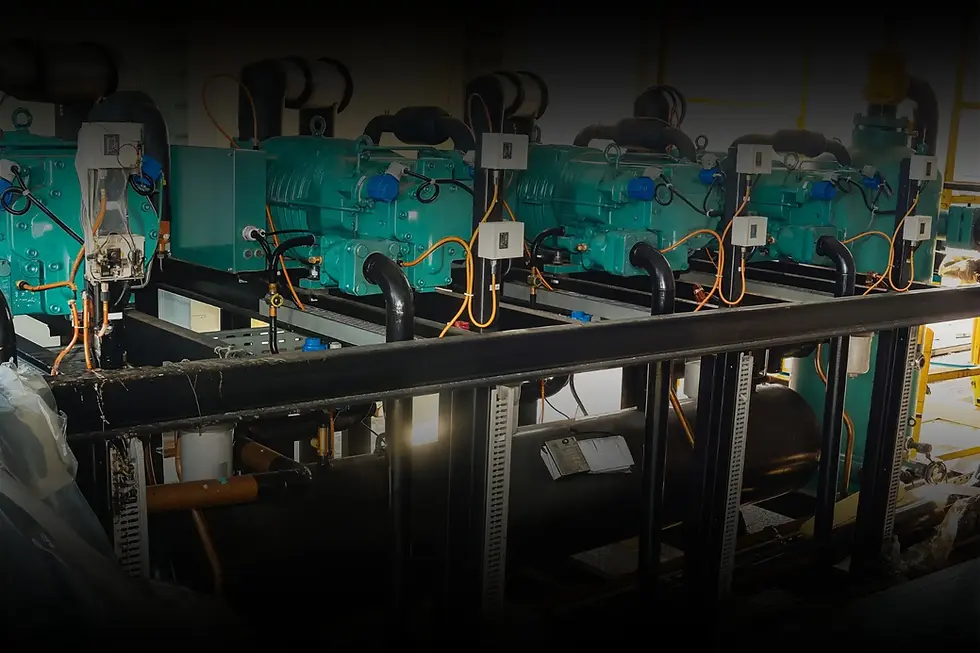
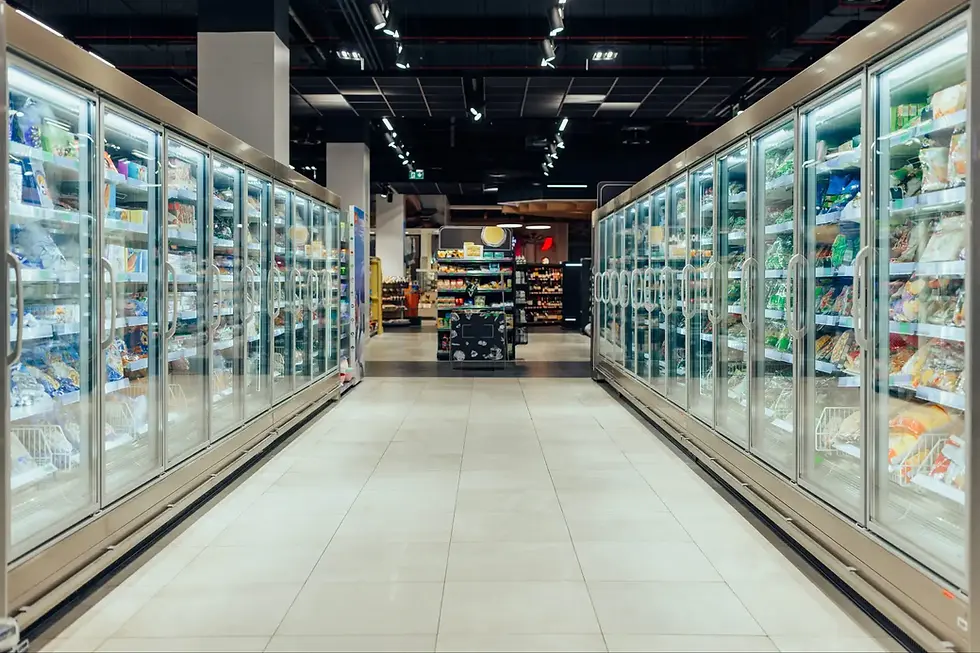
Remote condenser systems are used in grocery stores, food production facilities, cold storage warehouses, healthcare facilities, hospitality operations, and industrial environments.
Sizing is based on refrigeration load, ambient conditions, system capacity, airflow requirements, and operating temperatures.
Undersized or dirty condensers can cause high head pressure, reduced efficiency, higher energy use, and premature equipment wear.
Remote condensers should be inspected and maintained regularly to ensure coils remain clean, fans operate properly, and airflow remains unrestricted.
Common signs include high-pressure alarms, inconsistent refrigeration temperatures, excessive fan noise, dirty coils, or frequent system shutdowns.
Yes. Condensers can often be replaced or upgraded independently to improve performance or capacity.
Outdoor temperature, wind, debris, and seasonal conditions directly affect heat rejection performance and system efficiency.
Yes. Proper condenser sizing, airflow, and maintenance significantly influence refrigeration energy consumption.
Remote condensers connect to compressors through refrigerant piping and operate together to reject heat and regulate system pressures.
Yes. Engineered Temperature Solutions provides remote condenser design, installation, maintenance, repair, and optimization for commercial refrigeration systems across Ohio.
An air-cooled remote condenser uses outdoor air and fan-driven airflow across condenser coils to reject heat from the refrigeration system.
Water-cooled condensers are typically used in facilities where water is readily available and space, noise limits, or high ambient temperatures make air-cooled systems less practical.
An evaporative condenser combines air movement and water evaporation to remove heat more efficiently, often used in higher-capacity or industrial refrigeration applications.
Condenser selection depends on system capacity, site conditions, energy efficiency goals, available utilities, maintenance requirements, and long-term operating costs.
Need remote condenser service in Central Ohio? Request a quote or call (614) 289-8733 to get started.
Frequently asked questions
Redefine your
buildings HVAC
